Experience The Metropolitan Opera: Tristan und Isolde, a breathtaking new production arriving in 2026. This legendary opera unravels an epic tale of fated love and profound destiny. Witness two souls drawn together by an irresistible, powerful bond. A stunning performance filled with passion and unforgettable music, perfect for families and opera lovers alike. Don't miss this grand cinematic event!
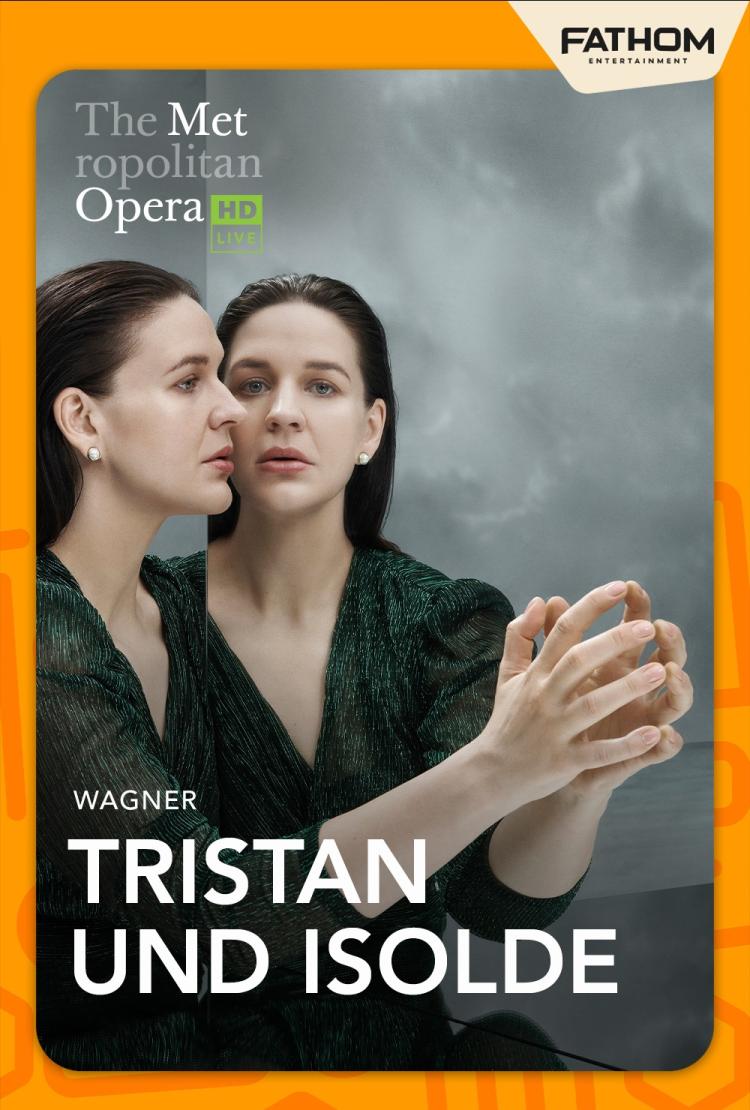
The Metropolitan Opera: Tristan und Isolde
Runtime: 5 Hours 27 Minutes
Genre: Drama and Musical
Release Date: 21 March 2026
Original Language: German
Distributor: Fathom Entertainment
Page Last Updated On: 21 March 2026
About:
Review:
Review: The Metropolitan Opera: Tristan und Isolde (2026)
1. Introduction
Hello everyone! I recently had the chance to experience something truly grand and epic: The Metropolitan Opera's 2026 production of Wagner’s Tristan und Isolde. Now, if you’re new to opera, or even if you're a seasoned attendee, Wagner is always an event. His operas are known for their sheer scale, emotional intensity, and – let's be honest – their considerable length! But don't let that intimidate you. This particular production, captured for a wider audience, offers a fascinating journey into one of the most passionate and tragic love stories ever told. I went in with a mix of excitement and a little bit of "will I make it through five hours?" anticipation, and I'm happy to report it was mostly a captivating experience. Let’s dive in!
2. Story Overview
At its heart, Tristan und Isolde is a tale of forbidden love and destiny. It all starts when Isolde, an Irish princess, is being transported across the sea to Cornwall by the knight Tristan. Her mission? To marry Tristan's uncle, King Marke. Isolde, however, holds a deep grudge against Tristan, believing he killed her fiancé. She plots to poison them both, but her maid, Brangäne, secretly switches the deadly potion for a powerful love elixir. Tristan and Isolde drink it, and BAM! They're instantly, hopelessly, and irrevocably in love.
From there, the story spirals into a beautiful, agonizing exploration of their passionate, yet doomed, relationship. They sneak around, their love grows, King Marke eventually discovers their betrayal, and Tristan is gravely wounded. The final act sees Isolde rushing to be with her dying beloved, leading to one of the most famous and heart-wrenching endings in all of opera. It's a classic setup: true love versus duty and honor, with a magical twist that truly seals their fate.
3. Main Characters & Performances
The success of Tristan und Isolde really rests on the shoulders of its two title characters, and I must say, the Met's cast delivered. The soprano singing Isolde brought a voice that was both soaring and powerful, capable of expressing both fiery rage and tender despair. She truly owned the stage, especially during her famous "Liebestod" (love-death) at the very end. It was breathtaking.
As Tristan, the tenor had the monumental task of carrying much of the opera's dramatic weight, particularly in the long and intense third act. His voice, while not always perfectly pristine (which is understandable given the demands of the role!), conveyed a raw vulnerability and passion that felt incredibly real. He really made you believe in his suffering and his longing.
The supporting cast was excellent too. Brangäne, Isolde’s loyal maid, sung by a wonderful mezzo-soprano, offered moments of gentle beauty and concern. And King Marke, usually portrayed as an older, stoic figure, here felt genuinely heartbroken and betrayed, thanks to the rich, resonant bass voice that brought a touch of human frailty to the king. The chemistry between the leads was palpable, which is essential for a story like this.
4. What Works Well
Oh, where to begin! The music, first and foremost, is simply magnificent. Wagner's score is a character in itself – a swirling, emotional ocean that carries you along. The Met Orchestra, under the conductor's masterful guidance, brought out every nuance, from the tenderest whispers to the loudest, most dramatic surges. It's truly a full-body experience for the ears.
Visually, the production was striking. The sets were quite modern but incredibly effective, using clever lighting and projections to create different moods – from the claustrophobic ship cabin to the shadowy gardens and Tristan’s isolated castle. They were grand without being overly busy, letting the singers and the music take center stage. The costumes were elegant and timeless, avoiding any jarring distractions.
What I really appreciated was how the direction brought a sense of intimacy to the epic story. Even in such a vast setting, the camera work (for the broadcast) focused on the singers' expressions, allowing us to feel closer to their emotional turmoil. For newcomers, this really helps bridge the gap that opera can sometimes present. The raw emotion that flowed from the stage felt utterly genuine, drawing me completely into their tragic world.
5. What Could Be Improved
While largely a triumph, there were a couple of areas that, for a general audience, might present slight hurdles. Firstly, Wagner's pacing can be... leisurely. There are moments, particularly in the first and third acts, where the music unfolds very slowly, building tension, but potentially testing the patience of those not accustomed to opera's slower dramatic rhythm. A few stretches felt a little long, and I did find my mind wandering ever so slightly during one or two of the more extended monologues.
From a visual standpoint, while the modern sets were generally very effective, there were a couple of instances where the starkness felt a little cold, perhaps sacrificing some of the traditional romantic grandeur one might expect from this story. It’s a matter of taste, of course, but it momentarily pulled me out of the fantasy.
Finally, while the singers were phenomenal, the sheer length and vocal demands of Tristan und Isolde are immense. There were a handful of moments where the tenor’s voice, specifically, sounded a touch strained under the sheer power required, though this is a very minor point and a testament to the incredible feat he was accomplishing. Overall, these are small points in an otherwise stellar production.
6. Overall Entertainment Value
So, is Tristan und Isolde entertaining? Absolutely, but perhaps not in the way a superhero movie is. This is an experience for the soul. It's deeply immersive, emotionally draining in the best possible way, and profoundly beautiful. For those who love grand storytelling, powerful music, and exploring the depths of human emotion, it's incredibly rewarding.
It’s definitely a significant time commitment, but if you go into it ready to be transported, it offers an unparalleled journey. It’s a perfect entry point for someone curious about Wagner, as the production makes it feel accessible without compromising the opera’s artistic integrity. You don't need to be an opera buff to appreciate the sheer artistry and raw passion on display. It’s a classic for a reason, and this Met production truly does it justice.
7. Final Verdict
The Metropolitan Opera's 2026 production of Tristan und Isolde is a magnificent achievement. It’s a monumental opera given a sensitive, powerful, and visually compelling treatment. While its length and deliberate pace might challenge a few first-time viewers, the incredible music, stellar performances, and profound emotional impact make it an unforgettable experience. If you have the opportunity and are open to diving into a world of intense passion and tragic beauty, I wholeheartedly recommend giving this production a watch. It's a true feast for the senses and a powerful reminder of opera's enduring magic.