Experience 'The Headless Woman' (2009), a captivating mystery drama where an affluent woman's life unravels after a disturbing incident on the road. Plagued by unanswered questions, she navigates a world of suspicion and complicity. This compelling film explores the profound weight of secrets and the unsettling quest to uncover the truth. A unique, thought-provoking journey.

The Headless Woman
Runtime: 1 Hours 29 Minutes
Audience Rating: 5.6/10
Critics Rating: 7.8/10
Genre: Drama and Mystery & Thriller
Release Date: 19 August 2009
OTT Release Date: 2017-01-25
Original Language: Spanish
Distributor: Strand Releasing
Page Last Updated On: 29 May 2026
About:
Review:
It's always interesting when a movie comes along that doesn't quite fit into the usual boxes. Lucrecia Martel's 2009 film, 'The Headless Woman' (original title 'La Mujer sin Cabeza'), is definitely one of those. It's not a thriller in the traditional sense, nor is it a drama with big, emotional outbursts. Instead, it’s a quiet, intensely psychological journey that asks you to pay close attention and piece things together yourself. If you're looking for a film that stays with you long after the credits roll, this might just be it, though it’s certainly not for everyone.
Story Overview
The film centers on Verónica, played by María Onetto, a middle-aged dentist from a wealthy Argentinian family. One scorching afternoon, while driving her car, she feels a bump. She stops, looks in her rearview mirror, but sees nothing specific. Was it an animal? A rock? Or something far more troubling? This ambiguous incident is the catalyst for the entire film. From that moment on, Verónica begins to detach from her life. She forgets appointments, makes strange decisions, and seems to float through her days, disconnected from her family and social circle, who are themselves caught up in their own daily dramas and secrets. The movie doesn't give you easy answers; instead, it slowly builds a portrait of a woman consumed by an internal crisis, haunted by the possibility of a terrible secret, and observed by those around her who either don't notice or choose to ignore her growing disorientation.
Main Characters & Performances
The heart of 'The Headless Woman' lies squarely with María Onetto's portrayal of Verónica. Her performance is incredibly subtle and deeply internal. She spends much of the film with a vacant, slightly confused expression, as if she's constantly trying to grasp something just out of reach. It’s not about grand gestures or dramatic tears; it’s all in her eyes, her slightly slouched posture, and the way she moves through rooms as if she's barely there. This quiet performance perfectly captures the character's increasing alienation.
The supporting cast, mostly Verónica's family members and their household staff, also deliver very naturalistic performances. They represent the upper-class world Verónica inhabits – a world full of unspoken rules, social appearances, and a curious willingness to overlook inconvenient truths. While no other character gets as much focus as Verónica, their interactions (or lack thereof) with her effectively highlight her isolation and the suffocating environment she finds herself in. It feels like watching real people, with all their casual conversations and subtle power dynamics.
What Works Well
What truly makes 'The Headless Woman' stand out is director Lucrecia Martel's unique cinematic style. She's a master of atmosphere. The film uses a lot of off-screen sound – snippets of conversations, car noises, chirping birds – to build a rich, almost overwhelming sensory experience that mimics Verónica's own disjointed perception. You often hear things before you see them, or hear things that you never quite see, which adds to the unsettling feeling.
The cinematography is also brilliant. The camera often frames Verónica from slightly odd angles, or only shows parts of her, making her seem fragmented and disoriented, just as she feels. Shots can linger, allowing you to absorb the details of a scene and the unspoken tensions within it. The film doesn’t rush; it takes its time, inviting you to observe and ponder. This slow pace, combined with the ambiguous nature of the central event, creates a powerful sense of psychological unease and an incredible character study of guilt and denial. It’s a movie that trusts its audience to think and interpret, rather than simply presenting a clear narrative. The subtle commentary on class and privilege in Argentinian society is also woven in very naturally, without ever feeling preachy.
What Could Be Improved
While the film's deliberate pace and ambiguity are key to its artistic success, they can also be its biggest hurdles for some viewers. If you're used to movies with clear plots, strong dialogue, and a fast-moving story, 'The Headless Woman' might feel frustratingly slow. There isn't a traditional "mystery" to solve with a neat conclusion; instead, it's more about experiencing Verónica's internal state.
The lack of explicit answers or a conventional resolution can also be a point of contention. Some viewers might leave feeling unsatisfied, wishing for more clarity about what actually happened and what the characters are truly thinking or feeling. It demands a lot of patience and a willingness to sit with uncertainty, which isn't everyone's preferred way to watch a film. If you need action or direct emotional payoffs, this movie might not be for you.
Overall Entertainment Value
Calling 'The Headless Woman' "entertaining" in the traditional sense might be a bit misleading. It's not the kind of movie you put on for a casual Friday night with friends hoping for laughs or thrills. Instead, its entertainment comes from a deeper, more intellectual place. It's thought-provoking, atmospheric, and utterly absorbing if you allow yourself to sink into its unique rhythm.
For those who appreciate art-house cinema, psychological dramas, or films that explore the human condition with subtlety and depth, this movie offers a rich and rewarding experience. It's the kind of film that sparks conversation, makes you think about its themes long after it's over, and perhaps even encourages a rewatch to pick up on new details. It's less about a roller-coaster ride and more about a meditative, slightly disturbing exploration of guilt, class, and the slipperiness of truth.
Final Verdict
'The Headless Woman' is a fascinating and artfully crafted film that defies easy categorization. It's a masterclass in building atmosphere and character through subtle performances, brilliant sound design, and intelligent cinematography. María Onetto delivers a haunting portrayal of a woman unraveling from within, and Lucrecia Martel's direction ensures every frame is imbued with a quiet tension.
However, be warned: this isn't a film for those seeking straightforward answers or rapid plot development. Its slow pace and pervasive ambiguity demand patience and a willingness to engage with its psychological depths. If you’re open to a different kind of cinematic experience – one that focuses on mood, introspection, and unspoken truths – then I highly recommend giving 'The Headless Woman' a watch. It might not be a crowd-pleaser, but it's a truly distinctive and memorable piece of filmmaking that will linger in your mind long after you've seen it.

María Onetto
as Veronica
(Actor)
No Image
Claudia Cantero
as Josefina
(Actor)

César Bordón
as Marcos
(Actor)
No Image
Daniel Genoud
as Juan Manuel
(Actor)
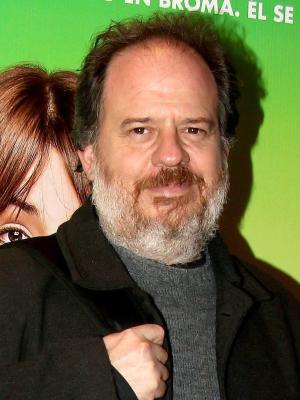
Guillermo Arengo
as Marcelo
(Actor)
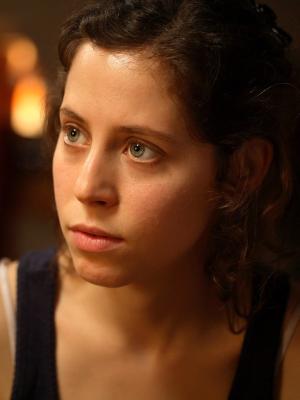
Inés Efron
as Candita
(Actor)
No Image
Alicia Muxo
(Actor)
No Image
Pía Uribelarrea
(Actor)
No Image
María Vaner
as Tía Lala
(Actor)

Agustín Almodóvar
(Producer)
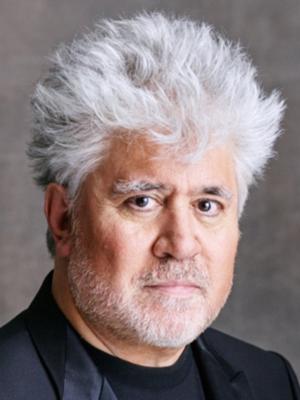
Pedro Almodóvar
(Producer)
No Image
Verónica Cura
(Producer)
No Image
Bárbara Álvarez
(Cinematographer)
No Image
Miguel Sverdfinger
(Film Editing)

Lucrecia Martel
(Writer)