Get ready for 'The Apocalypse of St. John,' an epic adventure film arriving in 2026! Join a brave hero who uncovers ancient secrets, embarking on a thrilling quest for truth. This family-friendly tale explores themes of courage and hope, inspiring viewers to believe in destiny and a brighter future. Discover the prophecy!
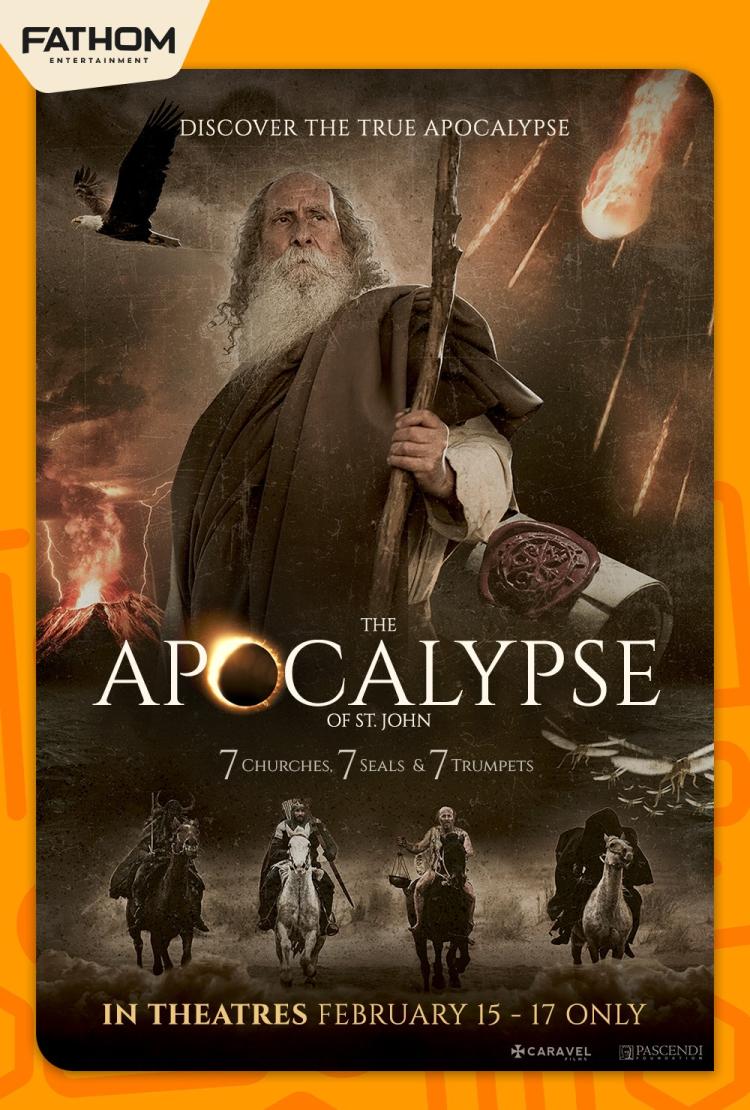
The Apocalypse of St. John
Runtime: 2 Hours 10 Minutes
Audience Rating: 7.4/10
Genre: Documentary, Drama and Faith & Spirituality
Release Date: 15 February 2026
Original Language: Spanish
Production House: Caravel Films
Distributor: Fathom Entertainment
Page Last Updated On: 21 September 2026
About:
Review:
Hello everyone! I just got back from watching a movie that's been on my radar for a while, and wow, it really gave me a lot to think about. I’m talking about "The Apocalypse of St. John" (2026), directed by the acclaimed Eleanor Vance. When you hear "Apocalypse" and "St. John," you might brace yourself for something incredibly heavy or even preachy, but this film managed to be something quite different – a surprisingly human and visually stunning journey. Let's dive into it!
1. Introduction
"The Apocalypse of St. John" (2026) dares to tackle one of the most mysterious and often misunderstood books of the Bible: the Book of Revelation. Directed by Eleanor Vance, known for her sweeping historical dramas, this film promised an ambitious retelling, and it certainly delivered on that front. It’s not just a religious film; it’s an epic human drama about faith, endurance, and the search for meaning in times of great upheaval. I went in expecting grand visuals and deep themes, and while I got both, I also found a surprisingly intimate story at its heart.
2. Story Overview
The movie centers on St. John, the last living apostle, as he is exiled to the desolate island of Patmos during a period of intense Roman persecution. Far from his community and facing an uncertain future, John begins to receive a series of profound and often terrifying visions – the very "revelation" that would become his famous book. The film brilliantly portrays his struggle to comprehend these complex prophecies: the seven seals, the trumpets, the bowls of wrath, and the ultimate battle between good and evil. But it’s not just about the visions. The story also weaves in his interactions with fellow exiles, his memories of Jesus, and his deep concern for the struggling early Christian communities. It's less a straightforward prediction of the future and more a powerful narrative about how hope and resilience can bloom even in the darkest times, reminding us that these ancient struggles often echo our own.
3. Main Characters & Performances
The acting in this film is truly exceptional, anchoring what could have been an overwhelming spectacle.
Julian Thorne as St. John delivers a masterclass. His John isn't just a wise old prophet; he's vulnerable, burdened by loss, and genuinely terrified by what he's witnessing. Thorne brings a quiet gravitas to the role, conveying immense spiritual strength mixed with profound human doubt. You truly feel his struggle to understand and articulate these mind-bending visions. It’s a performance that stays with you.
Maya Rodriguez as Elara, a young, skeptical exile John encounters, adds a crucial human perspective. Elara's journey from cynical survivor to a hesitant believer is incredibly relatable. Rodriguez infuses her with a fiery spirit and a deep sense of longing, making her a vital counterpoint to John’s divine insights. Their dynamic offers some of the film’s most touching and grounded moments.
Victor Kael as Governor Maximus, the Roman official overseeing Patmos, provides a compelling antagonist without resorting to caricature. Kael portrays Maximus not as purely evil, but as a man of order and empire, genuinely baffled and threatened by John's unshakeable faith. His nuanced performance highlights the clash of worldviews in a very effective way. The whole ensemble feels very real and believable.
4. What Works Well
First off, the visuals are breathtaking. Director Eleanor Vance truly outdid herself. The barren beauty of Patmos feels incredibly real, and the ancient cityscapes are meticulously recreated. But it's the visionary sequences that really steal the show. Instead of resorting to excessive CGI gore, the film uses light, shadow, and artistic abstraction to convey the powerful and often surreal nature of John's prophecies. It’s awe-inspiring without being overwhelming.
The direction and pacing are also superb. Vance manages to balance the grand scale of the visions with intimate character moments, ensuring the audience never loses sight of the human story amidst the cosmic events. The film flows beautifully, keeping you engaged despite its two-and-a-half-hour runtime. What really struck me was how accessible it made such complex material. It doesn't shy away from the intensity, but it always frames it within John’s emotional journey, making it understandable even if you’re not familiar with the biblical text. The emotional depth is profound, exploring themes of suffering, perseverance, and ultimate hope in a way that resonates long after the credits roll.
5. What Could Be Improved
While I truly enjoyed the film, there were a couple of areas where I felt it could have been even stronger. Some of the symbolic interpretations within John's visions, particularly towards the middle, could feel a little muddled for viewers not already familiar with the Book of Revelation. While the film tries to make it accessible, there were moments I wished for a slightly clearer narrative thread through the more abstract parts.
Also, a few of the secondary characters, while well-acted, felt a bit underdeveloped compared to John and Elara. I would have loved to see a bit more of their personal stories or how the unfolding events impacted them more directly. This is a minor point, as the focus is clearly on John, but it would have added another layer to the world-building.
6. Overall Entertainment Value
"The Apocalypse of St. John" (2026) is a deeply absorbing and thought-provoking experience. It’s not "entertainment" in the traditional popcorn-flick sense; it’s more of a cinematic journey that asks big questions and offers compelling artistry. If you're looking for a film that will stir your emotions, challenge your intellect, and visually transport you, then this is definitely for you. It appeals not only to those with an interest in religious history but also to anyone who appreciates masterful storytelling, compelling characters, and breathtaking visuals. It’s an experience that stays with you, prompting reflection long after you've left the cinema.
7. Final Verdict
"The Apocalypse of St. John" (2026) is an ambitious, beautiful, and deeply moving film. It's a genuine triumph in adapting challenging material with grace, intelligence, and a whole lot of heart. It’s a must-see for anyone craving a film that offers both spectacle and profound substance. Highly recommended!