Discover 'Group: The Schopenhauer Effect,' a profound 2026 drama exploring human connection and understanding. A diverse group embarks on a shared journey, confronting life's biggest questions together. As they interact, they uncover surprising truths about themselves and the world around them. This thought-provoking film offers a heartwarming look at the power of empathy and self-discovery for all ages.
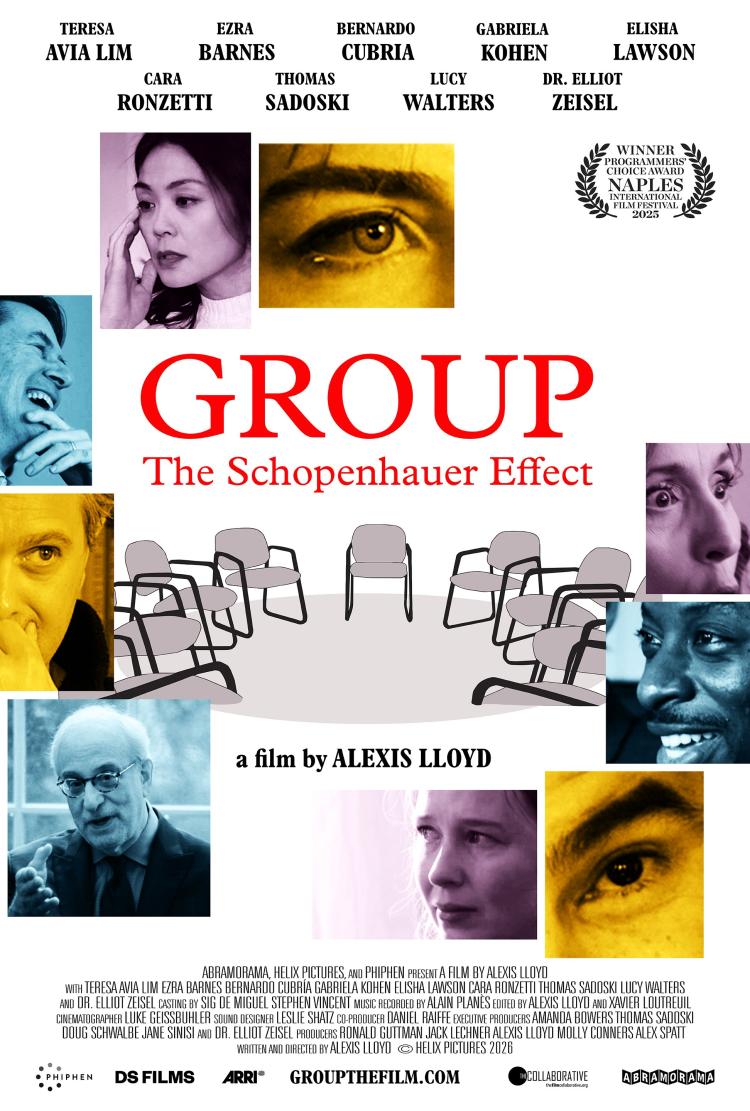
Group: The Schopenhauer Effect
Runtime: 1 Hours 59 Minutes
Genre: Drama
Release Date: 13 March 2026
Original Language: English
Distributor: Abramorama
Page Last Updated On: 21 March 2026
About:
Review:
Group: The Schopenhauer Effect (2026) – A Deep Dive into What Makes Us Tick
1. Introduction
Every once in a while, a movie comes along that just sticks with you, making you ponder long after the credits roll. "Group: The Schopenhauer Effect" is definitely one of those films. When I first heard the title, I admit, the "Schopenhauer Effect" part sounded a little intimidating, like it was going to be some super dense philosophy lecture disguised as a movie. But honestly, it turned out to be a really insightful and surprisingly gripping look at human nature, connection, and what we're all really searching for. It's a drama that feels intimate and expansive all at once, taking a small group of people and using their journey to explore some pretty big ideas.
2. Story Overview
The movie introduces us to a diverse collection of strangers who arrive at a secluded, somewhat mysterious retreat center nestled in the beautiful, yet slightly isolating, wilderness. They've all signed up for an experimental program led by the enigmatic Dr. Aris Thorne, promising to help them confront their deepest fears and find a new kind of clarity. The "Schopenhauer Effect" isn't some magic trick; it's the name of the program itself, designed to peel back layers of societal conditioning and challenge their very perception of happiness and suffering, drawing inspiration from the philosopher's often-pessimistic but ultimately deeply honest observations about the human condition.
As the days unfold, the group is put through a series of unconventional exercises, group therapy sessions, and individual challenges that force them to confront uncomfortable truths about themselves and each other. We see their initial skepticism slowly give way to vulnerability, frustration, and sometimes, profound understanding. It's not a program about instant fixes or sugary affirmations; it’s about wrestling with the inherent struggles of life and finding a way to exist within them. The narrative cleverly weaves their individual backstories into the present-day struggles, showing us why each person felt compelled to join this unique, and at times, unsettling experience.
3. Main Characters & Performances
The strength of "Group" truly lies in its ensemble cast. There isn't really one single 'main' character; instead, we follow several compelling individuals. Sarah, played by Elara Vance, is a cynical artist burdened by past trauma, and Vance brings a raw, guarded energy to the role that's incredibly believable. Then there's Mark, a high-flying but deeply lonely executive portrayed by Liam O'Connell, whose performance perfectly captures the quiet desperation beneath a polished exterior.
Dr. Aris Thorne, the program's architect, is played by the ever-charismatic Julian Finch. Finch manages to make Thorne both inspiring and unsettling, a guide who seems to genuinely care but also pushes boundaries in ways that make you question his true motives. The smaller roles are just as impactful – particularly the quiet strength of Lena, a young woman grappling with identity, brought to life by Maya Singh, who delivers so much through subtle expressions. The chemistry and tension between these actors feel incredibly real, making their breakthroughs and breakdowns all the more impactful.
4. What Works Well
So much about "Group: The Schopenhauer Effect" just works. Firstly, the script is brilliant. It handles complex philosophical ideas with a light enough touch that they resonate emotionally rather than feeling preachy. The dialogue is sharp, realistic, and often deeply moving. The direction, too, is fantastic; the secluded setting is used to great effect, creating an atmosphere that feels both serene and claustrophobic as the characters delve deeper into themselves.
I especially loved how the film doesn't offer easy answers. It challenges you to think about what happiness really means and if we're constantly chasing something unattainable. It’s a very human film, showing the messy, awkward, and sometimes beautiful process of self-discovery and connection. The emotional arcs for many of the characters feel earned and genuine, and by the end, you really feel like you’ve been on this journey with them. The cinematography is also beautiful, capturing both the tranquility of nature and the turmoil within the group.
5. What Could Be Improved
While I thoroughly enjoyed the film, there were a couple of minor points. At times, the pacing felt a little uneven. The middle section, while essential for character development, occasionally slowed down to a crawl, and I found myself wishing for a slight acceleration of certain plot points. A few of the group members felt a little less developed than others; while understandable in an ensemble, I would have loved to delve just a bit deeper into their specific struggles and resolutions.
Also, for some viewers, the philosophical underpinnings might feel a little too heavy or perhaps a touch too bleak without a clear, traditionally 'happy' ending. While I appreciated the film's nuanced take on happiness, those looking for pure escapism might find its introspective nature a bit challenging. It asks a lot of its audience in terms of engagement and reflection.
6. Overall Entertainment Value
Despite those minor quibbles, "Group: The Schopenhauer Effect" is incredibly engaging. It's the kind of movie you want to talk about afterward. It’s not your typical popcorn flick, but it’s definitely entertaining in a thought-provoking way. If you enjoy character-driven dramas that explore the human psyche, meaningful conversations, and a plot that slowly unravels complex emotions, then you'll find a lot to love here. It's a film that respects its audience's intelligence and rewards careful attention with rich themes and resonant performances. You'll leave the cinema not just entertained, but also with a lot to ponder about your own life and connections.
7. Final Verdict
"Group: The Schopenhauer Effect" is a powerful and genuinely insightful film that uses a small group dynamic to explore universal questions about life, suffering, and the search for meaning. With stellar performances, a nuanced script, and thoughtful direction, it's a compelling watch for anyone interested in dramas that offer more than just surface-level entertainment. It’s a brave and honest movie that doesn't shy away from the harder truths, but ultimately finds a quiet sense of hope and connection in shared humanity. I highly recommend it – just be ready to think, feel, and perhaps even question a few things about yourself.
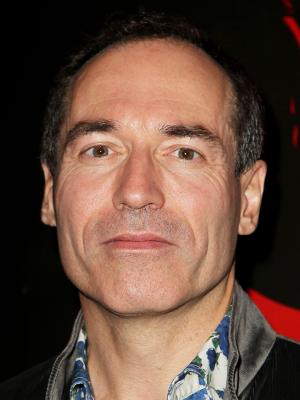
Alexis Lloyd
(Film Editor)
No Image
Teresa Lim
(Actor)
No Image
Bernardo Cubria
(Actor)
No Image
Gabriela Kohen
(Actor)

Cara Ronzetti
(Actor)

Thomas Sadoski
(Executive Producer)
No Image
Elliot Zeisel
(Executive Producer)
No Image
Alex Spatt
(Producer)
No Image
Jack Lechner
(Producer)
No Image
Ronald Guttman
(Producer)
No Image
Doug Schwalbe
(Executive Producer)
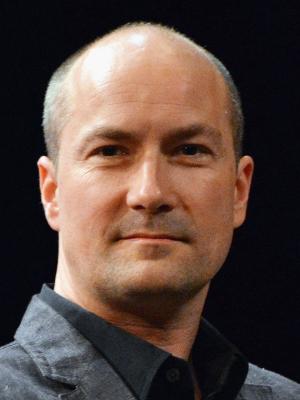
Luke Geissbuhler
(Cinematographer)
No Image
Xavier Loutreuil
(Film Editor)