A young dreamer has four magical nights. Each night, a friendly star takes him on a new adventure in the sky. They visit candy-cloud kingdoms and talk to silly moon people. He learns that even the biggest dreams start with a little bit of wonder. It’s a beautiful, gentle movie about the magic of hoping and imagining.
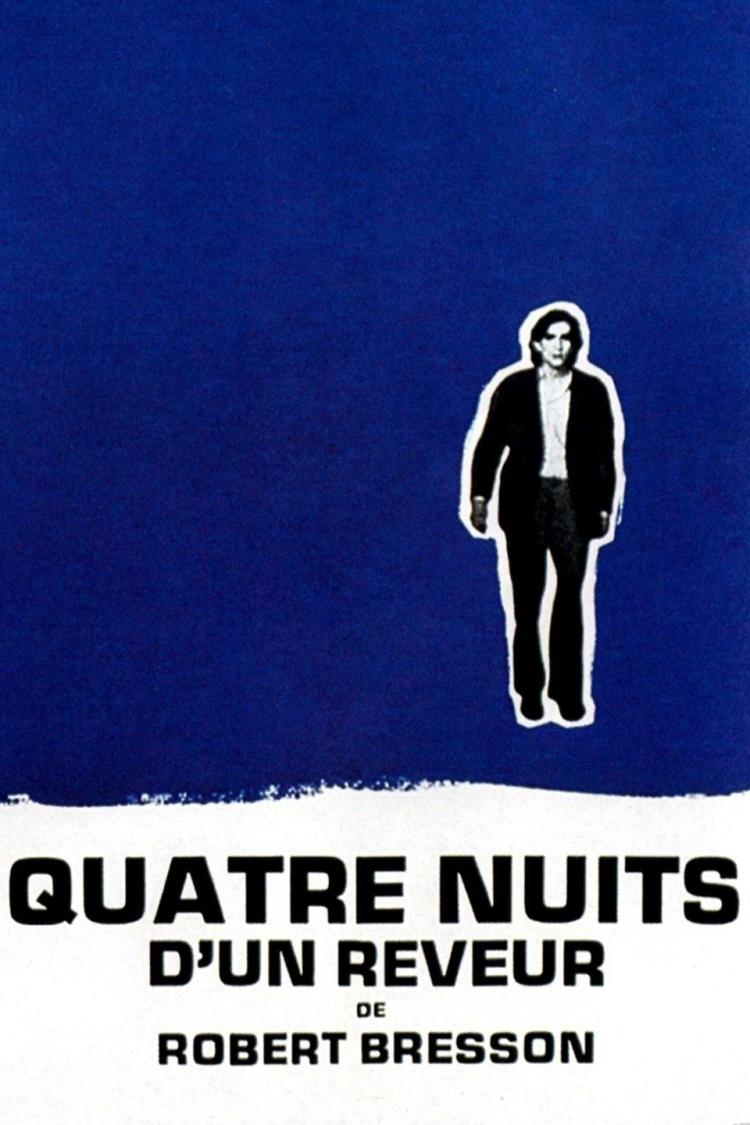
Four Nights of a Dreamer
Runtime: 1 Hours 27 Minutes
Audience Rating: 8.0/10
Critics Rating: 9.4/10
Genre: Drama
Release Date: 22 November 1972
Original Language: French (France)
Production House: Albina Productions S.a.r.l. [fr] and Victoria Films, La
Distributor: New Yorker Films
Page Last Updated On: 24 August 2026
About:
Review:
Four Nights of a Dreamer (1972) - A Quiet Reflection
1. Introduction
Have you ever watched a movie that doesn’t shout for your attention, but rather whispers to you, drawing you into its unique world with a gentle, almost meditative pace? That’s exactly the experience you get with Robert Bresson’s "Four Nights of a Dreamer," released way back in 1972. Bresson is a director known for his very distinct style – it's not like your typical Hollywood blockbuster, not by a long shot. If you're looking for fast-paced action or big dramatic speeches, this isn't it. But if you’re open to a film that explores human connection, loneliness, and the bittersweet nature of hope in a deeply thoughtful way, then settle in. This movie is a quiet gem that stays with you long after the credits roll.
2. Story Overview
The film tells the simple yet profound story of Jacques, a lonely young artist living in Paris. He spends his nights wandering the city streets, lost in his thoughts and dreams. One evening, by a bridge over the Seine, he encounters Marthe, a young woman who seems deeply distressed. He approaches her gently, and they strike up a conversation. She confesses she's waiting for a lover who promised to return to her by a specific date, and she comes to the bridge each night hoping to see him.
Over the course of four consecutive nights, Jacques and Marthe meet, share their stories, and form a fragile, tender connection. Jacques, a dreamer by nature, finds himself falling for Marthe, even knowing her heart belongs to someone else. It's a tale of fleeting encounters, unspoken desires, and the quiet beauty of two souls finding solace in each other's presence, however briefly. The plot is less about grand events and more about the internal lives of these two characters, their conversations, and the atmosphere of nocturnal Paris. It’s loosely based on Fyodor Dostoevsky’s short story "White Nights," and Bresson brings his own unique, minimalist touch to the classic tale.
3. Main Characters & Performances
Bresson was famous for using non-professional actors, whom he called "models," and guiding them to deliver their lines in a very understated, almost neutral way. This is very evident with Isabelle Weingarten as Marthe and Guillaume des Forêts as Jacques. They don't 'act' in the traditional sense, with big gestures or dramatic emotional outbursts. Instead, their performances are subtle, letting their quiet expressions and the rhythm of their dialogue carry the weight of their characters' feelings.
For some viewers, this style can feel a little detached or even unnatural at first. You might think, "Are they even trying to show emotion?" But if you let yourself adjust to it, there's a certain power in their restraint. You really start to focus on the nuances – a subtle shift in their eyes, the way they hold their hands, the quiet sincerity in their voices. Marthe carries a deep sadness and unwavering hope, while Jacques exudes a gentle melancholy and growing affection. Despite the minimalist approach, both actors manage to convey a surprising depth of character, making you feel for their quiet struggles and the delicate bond they forge. It's a particular taste, for sure, but a rewarding one if you connect with it.
4. What Works Well
"Four Nights of a Dreamer" absolutely shines in its atmosphere. Bresson masterfully uses the city of Paris as a character itself – especially at night. The shots of the Seine, the bridges, the quiet streets, and the ambient sounds (footsteps, distant traffic, the gentle lapping of water) create an incredibly immersive and melancholic mood. You feel like you're right there with Jacques, wandering the city.
The film's deliberate pacing is another strength, for those who appreciate it. It allows you to slow down, to really listen to the conversations, and to reflect on the themes of solitude, longing, and the fragile beauty of human connection. It's not afraid of silence, letting moments breathe and allowing you to absorb the quiet emotions. Bresson's visual style is also remarkable; he often focuses on small details – hands, objects, the way light falls – which add a poetic quality to the everyday. It's a profoundly empathetic film that explores the human heart with sensitivity and grace.
5. What Could Be Improved
While the minimalist acting and slow pacing are part of Bresson's unique vision, they are also the very things that might not appeal to everyone. If you're used to more conventional movies with clear emotional displays and a faster narrative drive, "Four Nights of a Dreamer" might feel a bit too quiet, too slow, or even emotionally distant. The understated performances can sometimes make it difficult for viewers to immediately connect with the characters on a deeply emotional level, as you have to work a little harder to interpret their internal states.
Some might also find the lack of a traditional plot arc or dramatic tension a bit underwhelming. The story unfolds very gently, without big twists or turns, which can leave viewers accustomed to more "active" storytelling feeling a little restless. It's definitely a film that asks for patience and a willingness to meet it on its own terms, and not everyone will be up for that particular cinematic journey.
6. Overall Entertainment Value
"Entertainment" in the context of "Four Nights of a Dreamer" isn't about thrills or laughter. It's more about a contemplative and thought-provoking experience. If you enjoy films that make you think, that evoke a specific mood, and that delve into the quieter aspects of human existence, then this movie offers immense value. It's a beautiful, melancholic poem on film, inviting you to reflect on your own experiences of hope, longing, and connection.
It's particularly enjoyable for those who appreciate arthouse cinema, classic films, or anyone looking for something completely different from mainstream offerings. It's a film that stays with you, prompting introspection about loneliness and the universal desire for understanding. However, if you're looking for a quick diversion or a film that delivers instant gratification, you might find it a challenging watch. It's a film that rewards patience and an open mind.
7. Final Verdict
"Four Nights of a Dreamer" is a unique and deeply affecting film that showcases Robert Bresson's signature style beautifully. It's a quiet, introspective journey into the heart of loneliness and the delicate nature of human connection, set against the evocative backdrop of nocturnal Paris. While its minimalist acting and deliberate pace might not be for every taste, those who embrace its unique rhythm will find a genuinely moving and unforgettable experience.
It’s not a film you ‘enjoy’ in the traditional sense; it’s more a film you feel and reflect upon. If you're curious about cinema that breaks the mold, that values subtlety over spectacle, and that explores profound themes with gentle artistry, then I wholeheartedly recommend giving "Four Nights of a Dreamer" a try. It’s a beautifully sad and quietly powerful testament to the enduring human spirit.
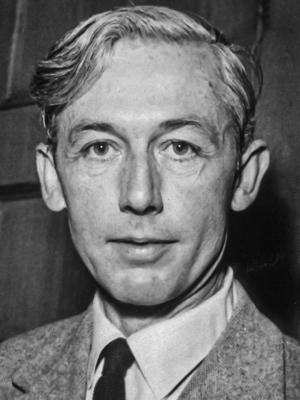
Robert Bresson
(Writer)
No Image
Isabelle Weingarten
as Marthe
(Actor)
No Image
Guillaume des Forets
as Jacques
(Actor)
No Image
Maurice Monnoyer
as L'amant de Marthe
(Actor)
No Image
Lidia Biondi
as La mère de Marthe
(Actor)
No Image
Patrick Jouanne
as Gangster
(Actor)
No Image
Jerome Massart
as Le visiteur de Jacques
(Actor)
No Image
Giorgio Maulini
as Locksmith
(Actor)
No Image
Gian Vittorio Baldi
(Producer)
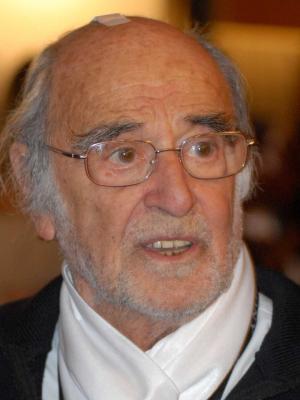
Pierre Lhomme
(Cinematographer)
No Image
Raymond Lamy
(Film Editor)
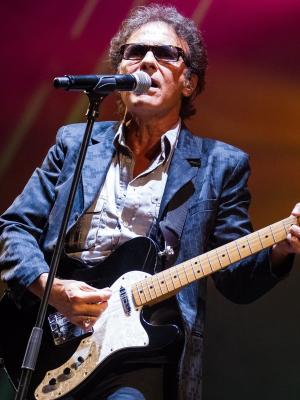
F.R. David
(Original Music)
No Image
Louis Guitar
(Original Music)
No Image
Michel Magne
(Original Music)