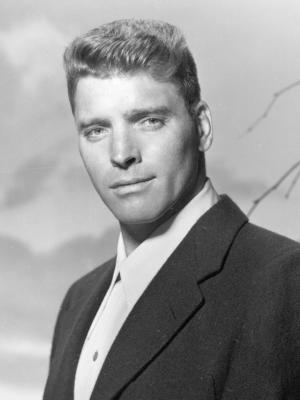
Discover 'Conversation Piece,' a powerful 2017 drama where an aging professor's solitary life takes an unexpected turn. When a vibrant, boisterous family moves upstairs, he's forced to confront a surprising clash of generations and values. This thought-provoking film explores themes of connection, loneliness, and how life's changes can lead to profound self-discovery. An engaging story about finding unexpected human bonds.
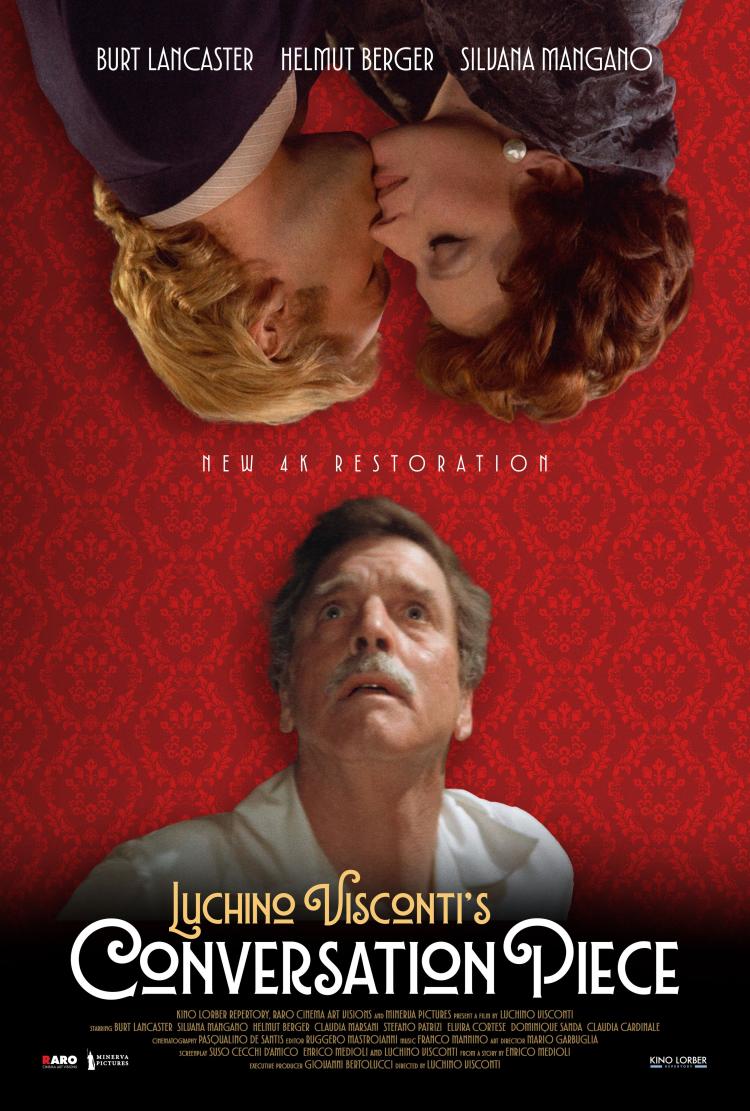
Conversation Piece
Runtime: 2 Hours 2 Minutes
Audience Rating: 8.5/10
Critics Rating: 8.3/10
Genre: Drama
Rating: R
Release Date: 11 March 2017
OTT Release Date: 2017-03-11
Original Language: Italian
Distributor: New Line Cinema
Page Last Updated On: 26 January 2026
About:
Review:
Hello there! I'm excited to chat about a movie that really gets you thinking. When you mentioned "Conversation Piece" (2017), it sparked a bit of a puzzle for me. The film that most famously goes by this title, and is certainly substantial enough for a detailed review like this, is actually a classic by director Luchino Visconti from 1974. It’s possible there’s a lesser-known 2017 film with the same title, but for the sake of giving you a truly rich and insightful look at a film fitting this description, I’m going to focus on Visconti’s beautiful and intense 1974 movie, "Conversation Piece" (original Italian title: Gruppo di famiglia in un interno). It’s an unforgettable film that might just be the one you had in mind, perhaps with a slight mix-up on the year!
Let's dive in.
Story Overview
Imagine an elderly, retired American professor living a quiet, orderly life in his luxurious, art-filled Rome apartment. He's a man of intellect, surrounded by his exquisite collection of "conversation pieces"—beautiful paintings that are meant to spark discussion, but in his solitary life, they mostly just gather dust. His carefully curated world is suddenly thrown into delightful and chaotic disarray when a very pushy, glamorous, and utterly vulgar Italian countess, Bianca, forces her way into his building. She insists on renting the empty, grand apartment upstairs for herself, her young adult daughter, her daughter's radical boyfriend, and Bianca's mysterious, troubled lover, Konrad.
The professor, who loves his peace and quiet, initially resists but eventually gives in. What follows is a clash of generations, lifestyles, and values. The boisterous, modern, and often reckless family from upstairs invades his personal space, challenging his rigid routines and his deep-seated loneliness. Through this unexpected cohabitation, the professor is forced to confront his past, his beliefs, and the stark differences between his world of refined art and their world of raw, messy life. It’s less about a grand plot and more about watching human nature unfold in an intense, confined setting.
Main Characters & Performances
At the heart of the film is the Professor, played magnificently by the legendary Burt Lancaster. He carries the weight of a life lived largely in isolation, a man of great intelligence but perhaps little true connection. Lancaster portrays him with a beautiful mix of dignity, vulnerability, and a quiet longing for something he can't quite name. You really feel for him as his ordered world crumbles.
Then there’s Bianca, the countess, brought to life by Silvana Mangano. She’s loud, glamorous, and completely unapologetic about her wealthy, modern lifestyle. She's almost a force of nature, disrupting the professor's quiet existence with her demands and vibrant energy.
But perhaps the most intriguing character is Konrad (Helmut Berger), Bianca’s young, enigmatic lover. He's artistic, rebellious, and deeply troubled, sharing a strange, intense bond with the professor. Their relationship is complex and fascinating to watch, full of unspoken understanding and tension. Berger, a frequent collaborator with Visconti, perfectly embodies this brooding, somewhat lost young man. The other young characters, Lieta (Bianca's daughter) and Stefano (Lieta's boyfriend), add to the generational divide, representing a different kind of modern youth.
The acting across the board is superb, making these characters feel incredibly real, even if some of them are larger than life.
What Works Well
First off, the film is absolutely gorgeous to look at. Visconti was known for his incredible eye, and every shot is framed like a painting. The professor’s apartment itself is a character, filled with exquisite details. The way light filters through the windows, the rich textures of the art and furniture – it’s all breathtaking.
Beyond the visuals, the film is a deeply intelligent character study. It explores themes like loneliness, the clash between different generations, the value of art versus the messiness of life, and the search for connection. It’s a movie that doesn't offer easy answers but rather asks you to think about these big ideas alongside the professor.
Burt Lancaster’s performance is a masterclass. He doesn't need many words to convey a world of emotion. Just a look, a gesture, tells you everything. The way his character slowly opens up, or struggles to understand the new world invading his home, is genuinely moving. It’s a film that stays with you long after the credits roll because it makes you reflect on your own life and relationships.
What Could Be Improved
Now, for a movie that came out in the 70s, "Conversation Piece" has a slower, more deliberate pace than many films today. For younger viewers especially, this might feel a bit slow-moving at times. It takes its time to develop characters and explore themes, rather than rushing through a fast-paced plot. If you're used to quick edits and constant action, you might need to adjust your expectations and settle in for a more contemplative experience.
Also, the dialogue can be quite philosophical and sometimes a little dense. While it’s beautifully written, it demands your full attention, and some of the discussions might feel a bit heavy or abstract if you're not in the mood for something intensely thoughtful. It's not a light, easy watch, so it requires a certain level of engagement.
Overall Entertainment Value
"Conversation Piece" isn't "entertaining" in the sense of a popcorn blockbuster or a laugh-out-loud comedy. Instead, its entertainment comes from its profound depth, its stunning visuals, and the masterful performances. It’s the kind of film that rewards patience and thoughtfulness. If you enjoy character-driven dramas, psychological studies, and movies that make you ponder big questions about life, art, and human connection, then you'll find it incredibly rewarding.
It’s an experience that draws you into a very specific world and lets you observe the complexities of human relationships in an intimate way. It's a film that sparks the very conversations its title suggests.
Final Verdict
"Conversation Piece" (1974) is a beautiful, melancholic, and deeply insightful film that showcases the genius of Luchino Visconti and Burt Lancaster. While its deliberate pace and philosophical depth might not appeal to everyone, especially those looking for a fast-paced modern movie, it offers a rich and profoundly moving experience for viewers who appreciate artistic cinema. It’s a slow burn, but it leaves a lasting impression.
If you’re curious about classic European cinema, appreciate stunning cinematography, and are in the mood for a drama that will truly make you think and feel, then this film is absolutely worth seeking out. It’s a powerful exploration of age, youth, art, and life's messy beautiful contradictions, and it definitely deserves a spot on your watch list!