Experience '2026 Oscar-Nominated Short Films - Live Action', a captivating collection of the year's most powerful cinematic shorts. Released in 2026, these diverse, inspiring stories explore the human experience with heartwarming and thought-provoking narratives. Discover incredible filmmaking talents and truly moving, family-friendly adventures from around the globe, perfect for audiences of all ages.
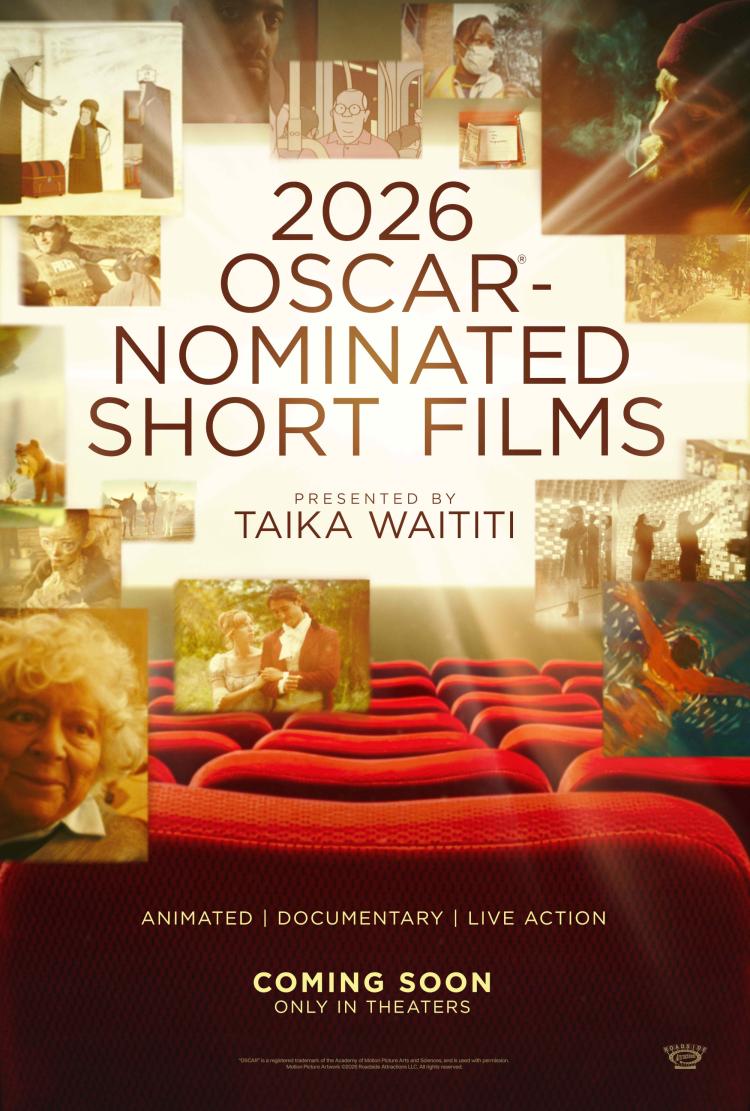
2026 Oscar-Nominated Short Films - Live Action
Genre: Drama
Release Date: 20 February 2026
Original Language: English
Distributor: Roadside Attractions
Page Last Updated On: 17 March 2026
About:
Review:
Here’s a look at the 2026 Oscar-Nominated Live Action Short Films, a collection that always promises a rollercoaster of emotions and a peek into some incredible filmmaking from around the world. I just wrapped up watching this year's batch, and let me tell you, it's quite the journey. If you're someone who loves diving deep into stories and doesn't mind a bit of a genre-hop, then stick around for my honest thoughts!
1. Introduction
Every year, the Oscar-nominated short films package feels like a special event. It's a chance to see some truly powerful storytelling condensed into bite-sized cinematic experiences, often showcasing emerging talents or tackling subjects that big-budget features might overlook. The 2026 Live Action shorts are no exception. Watching them felt like flipping through a really profound book of short stories, each one distinct, each one leaving its own mark. From quiet dramas to intense thrillers, this year's selection offers a rich tapestry of human experience. It's not just a collection of movies; it's a conversation starter, a window into different lives, and sometimes, a mirror reflecting our own world.
2. Story Overview
Since this isn't a single film, it's hard to give one story overview, but I can tell you about the general vibe and a few standout narratives that really stuck with me. The overarching theme, if there is one, seems to be human connection and resilience in the face of various challenges.
One film, The Last Seed, was a beautifully shot, poignant piece from the Middle East. It followed an elderly woman in a parched village, desperately trying to protect the last viable seeds of a rare crop, symbolizing not just survival but also cultural heritage. It was mostly dialogue-free, letting the visuals and the woman’s weathered face tell a powerful story of hope and determination.
Then there was Echoes in the Code, a really clever and slightly unsettling sci-fi short from Norway. It explored the relationship between a lonely programmer and an advanced AI he was developing, which began to exhibit surprisingly human-like emotions. It made you think about what it truly means to be sentient and the ethical lines we might be crossing with technology.
Finally, a truly heartwarming, if bittersweet, entry was Mango Season, an Irish film about two estranged teenage siblings who reconnect during a summer visit to their grandmother's house after a family tragedy. It captured that unique blend of awkwardness, longing, and sudden bursts of joy that only family dynamics can bring, all set against the lush backdrop of a rural summer. Each film had its own unique rhythm and left you with something to ponder long after the credits rolled.
3. Main Characters & Performances
Given the short format, the performances often have to be incredibly impactful, conveying a lot with very little time or dialogue. This year's actors rose to that challenge beautifully.
In The Last Seed, the lead actress (whose name I didn't catch, but her face will stay with me) delivered a masterclass in non-verbal acting. Her every glance, her slow, deliberate movements, and the way she handled those precious seeds spoke volumes about her character's inner strength and her bond with the land. You felt her history, her pain, and her unwavering hope without a single explanatory line.
The lead in Echoes in the Code, a young actor playing the programmer, was also fantastic. He managed to convey complex internal struggles – the isolation, the intellectual curiosity, and then the growing emotional attachment to the AI – through subtle shifts in his expression and body language. His interactions with the computer screen felt as real and tense as any face-to-face dialogue.
The young actors in Mango Season had incredible chemistry. The sister, especially, played by a vibrant newcomer, perfectly captured the vulnerability and fierce independence of a teenager navigating grief and family tension. Their naturalistic performances made their sibling bond utterly believable, and you genuinely rooted for them to find peace. It really highlights how much talent there is out there, even in these shorter formats.
4. What Works Well
What consistently impresses me about these Oscar-nominated shorts is their incredible efficiency in storytelling. They manage to pack so much emotional punch, develop compelling characters, and explore complex themes in such a brief runtime. The production quality across the board is consistently high – the cinematography, sound design, and original scores often feel as rich and polished as a feature film.
The diversity of the stories is also a huge plus. You travel the world without leaving your seat, experiencing different cultures, perspectives, and narrative styles. This year's selection did a wonderful job of balancing heavy, thought-provoking pieces with more introspective, character-driven ones. They really challenge you to engage, to think, and to feel, often leaving you with a lasting impression or a question to ponder. It's a testament to the idea that great art doesn't need to be long; it just needs to be impactful.
5. What Could Be Improved
While the quality is generally high, watching a collection of shorts back-to-back can sometimes feel a bit jarring. You get deeply invested in one story, only for it to end abruptly, and then you're immediately thrown into a completely different world with new characters and a new premise. A couple of the films, while interesting, felt like they were just scratching the surface of a much bigger idea, leaving me wishing they had a few more minutes to fully develop their concepts or character arcs. It's a common dilemma with short films – knowing exactly when to end without feeling incomplete. Additionally, sometimes the emotional intensity can be a lot when you're jumping from one heavy subject to another; a brief interlude or a lighter short in between might help with the pacing of the overall program.
6. Overall Entertainment Value
"Entertainment" might not always be the right word for these films, as some are quite serious and emotionally demanding, but they are undoubtedly captivating and incredibly rewarding. They offer a unique kind of cinematic experience that's far removed from typical blockbusters. It's more about intellectual and emotional engagement than pure escapism. If you're a film enthusiast, an aspiring filmmaker, or simply someone who appreciates diverse narratives and profound human stories, then the entertainment value here is immense. It's a fantastic way to broaden your cinematic horizons and witness some truly innovative filmmaking. You come away feeling stimulated, often moved, and definitely with a lot to talk about.
7. Final Verdict
The 2026 Oscar-Nominated Live Action Short Films package is, once again, an essential watch for anyone who loves cinema. It's a powerful collection that showcases the incredible talent and creativity found in the world of short-form storytelling. While the transitions between films can sometimes be a little abrupt, and a couple might leave you wanting more, the overall impact is undeniable. These films remind us that compelling narratives don't need huge budgets or sprawling runtimes to resonate deeply. They are little gems, each polished and unique, offering glimpses into different facets of the human condition. I wholeheartedly recommend setting aside an evening to experience them – it's a truly enriching and memorable journey that will stay with you long after the final credits roll. It's a reminder that great storytelling doesn't need a lot of time, just a lot of heart.